


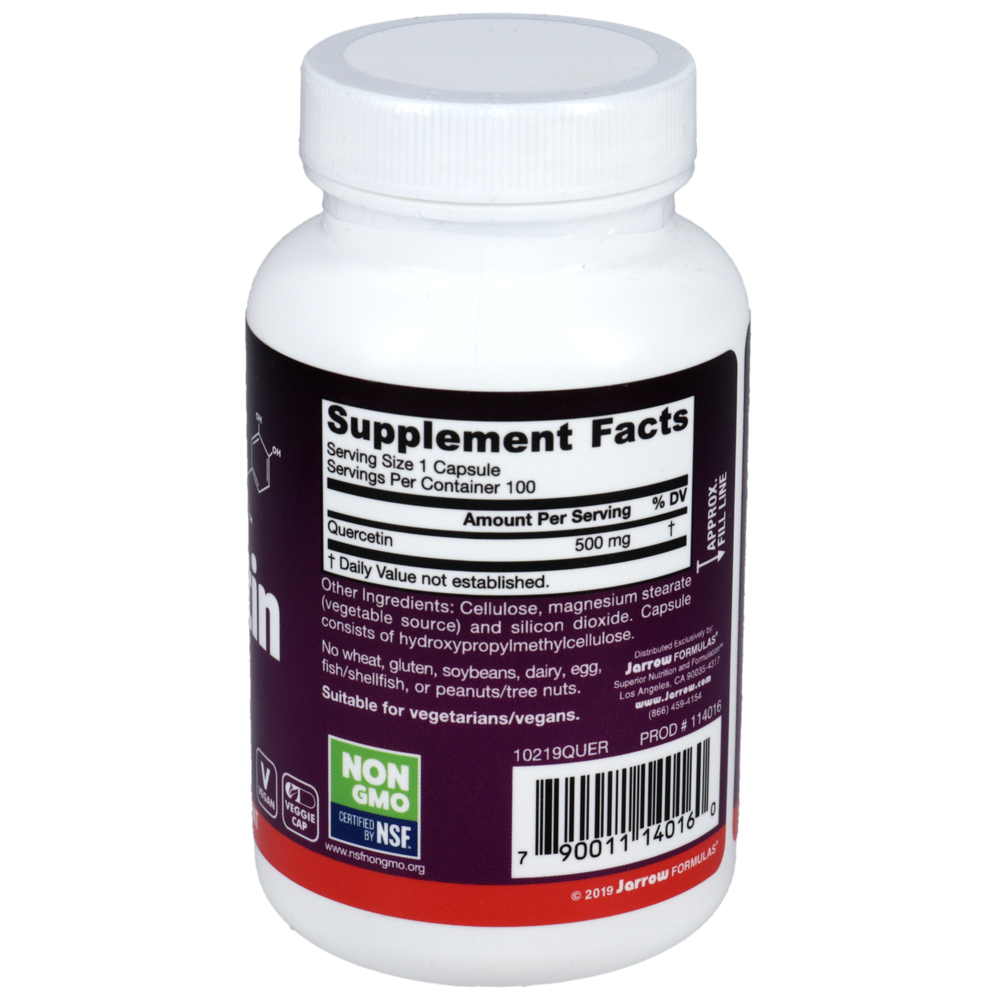
Quercetin is a naturally occurring plant flavonoid found in onions, apples, cherries, berries, green leafy vegetables, and many other plant foods. It is one of the most extensively studied dietary polyphenols and is valued for its antioxidant, cardiovascular, immune-supportive, and cellular protective properties.
Antioxidants help protect cells from oxidative stress generated through normal metabolism, environmental exposures, and everyday physiological demands. Quercetin has demonstrated significant antioxidant activity and is often used to support healthy inflammatory balance, cardiovascular wellness, and overall cellular resilience.
Quercetin is also recognized for its role in supporting healthy cardiovascular function. Research suggests it may help support healthy LDL oxidation balance, an important factor in maintaining cardiovascular health and healthy blood vessel function.
In recent years, quercetin has received attention because of its ability to function as a zinc ionophore. Zinc ionophores help facilitate the movement of zinc across cell membranes, supporting zinc's many important biological functions within cells. For this reason, quercetin is frequently included in immune-support protocols alongside zinc-containing supplements.
Whether used for antioxidant support, immune resilience, cardiovascular wellness, or general nutritional support, quercetin remains one of the most widely utilized flavonoid compounds in integrative health programs.
